

Educational 24 July 2026
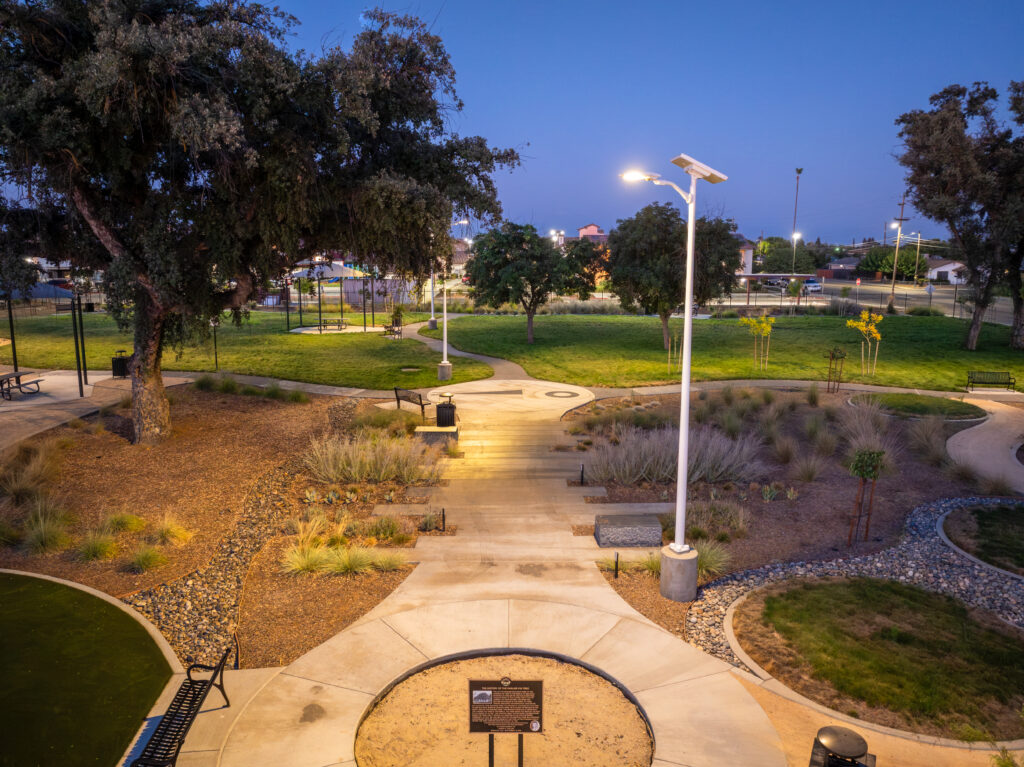
In cities big and small, parks are among the places we cherish most. They give us room to move, connect, and unwind, a welcome break from dense development, busy roads, and long workdays.
But there’s a catch: while parks are designed for public use, many people can only visit them in the evenings—after work, after dinner, once the day’s obligations (and heat) subside. That’s usually right around the time many parks in the U.S. close. Gates shut, paths empty, and our chance to enjoy them slips away.
This pattern isn’t universal. From Japan’s lantern-lit gardens to lively European plazas, parks in other parts of the world often stay active well into the evening. Culture and geography play a role—Americans tend to live in larger homes, farther from parks—but lighting, or a lack of it, is a big part of the difference.
When parks go dark, they can feel off-limits, even when they’re technically still open. Darkness creates a sense of unease and, in many people’s minds, invites trouble. Thoughtfully designed lighting, including solar lighting, can help shift that perception, turning parks into inviting, usable spaces after sunset.
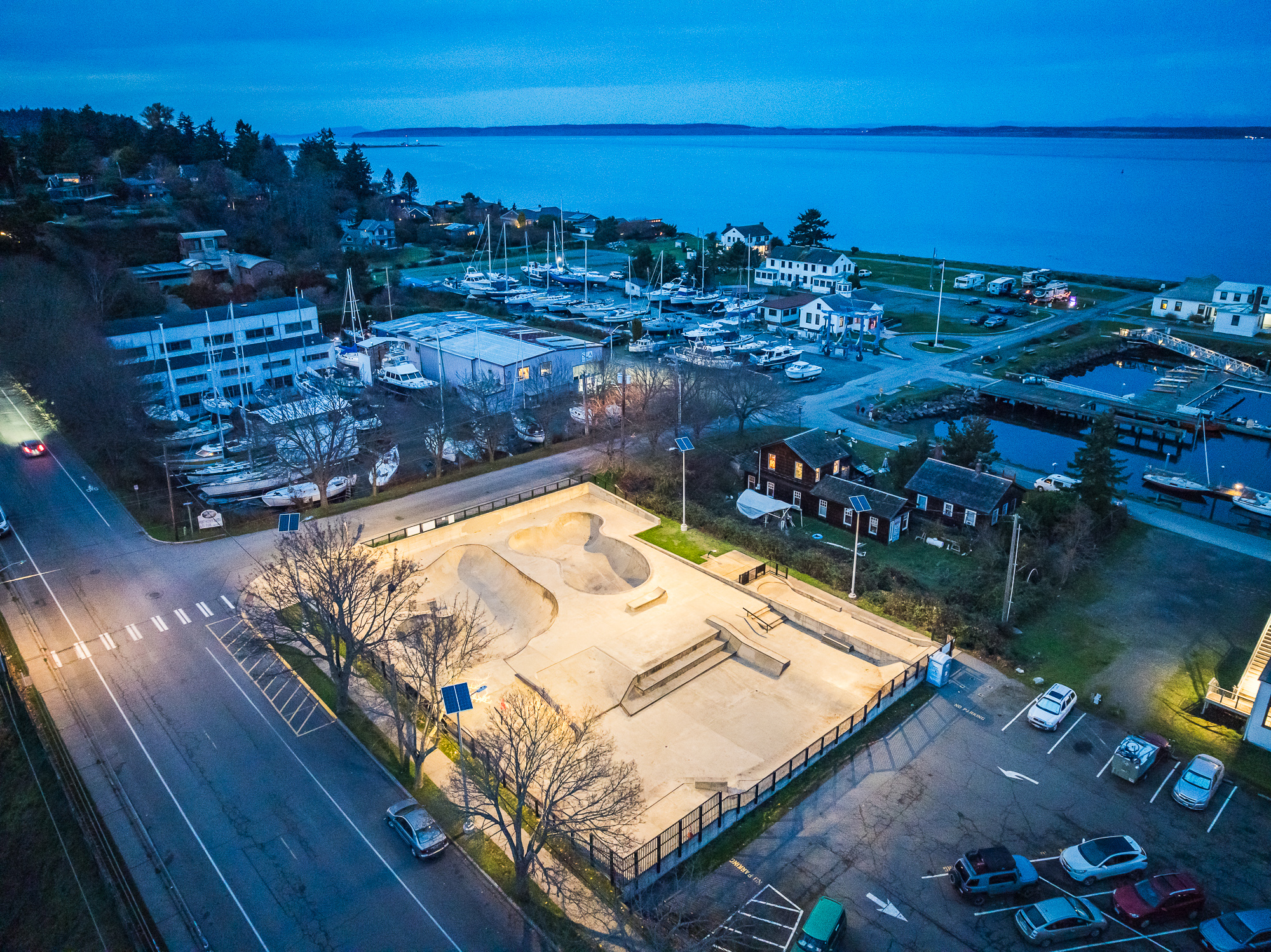
Making parks more accessible and comfortable at night doesn’t mean flooding every corner with bright light. Parks serve a wide range of people and purposes, from evening dog walkers to competitive pickleballers to kids on the swing set. Lighting that works well for one might feel intrusive or out of place for another.
Overpowered lighting can create glare, spoil the atmosphere, and even make spaces feel less safe. It can spill into nearby homes, disrupt sleep, and draw complaints. Then there are the non-human neighbors: parks are habitats too, and bright, always-on lighting can interfere with birds, insects, and other nocturnal wildlife.
The best park lighting is selective. It illuminates the places people need to see—entrances, parking areas, pathways, playgrounds, and courts—while preserving darkness elsewhere. Targeted, low-level, warm-colored fixtures direct light where it’s needed, while scheduled dimming and motion sensors reduce output during quieter hours.
Parks, by nature, tend to sit beyond the reach of existing electrical infrastructure. Many weren’t designed with lighting, and adding it later can be surprisingly complex.
Installing grid-powered lights often involves trenching through paved paths, established landscaping, or mature root systems—a process that’s messy, expensive, and disruptive to both the park and the people using it. Areas may need to close during construction, and once electrical work is complete, paths, lawns, and plantings still need to be restored.
These challenges are amplified in large, linear, or remote parks, where power may need to travel long distances to reach relatively few lights. Trenching, cabling, and site restoration can quickly blow through installation budgets, while utility bills and maintenance add ongoing costs.

Solar lighting offers a way around many of these infrastructure challenges. Because systems generate and store their own power, they don’t need to be connected to the electrical grid or linked by underground cabling. That allows more freedom in placement, less disruption during installation, and no recurring (and ever-rising) electricity bill.
Modern solar systems can also adapt their output throughout the night. Motion sensors and scheduled dimming can provide light when it’s needed, then scale it back when activity slows. This helps stored energy last longer, expands the range of suitable applications, and limits unnecessary light.
These advantages apply across all kinds of parks, but their value varies by park type.
Neighborhood parks sit close to homes, making light trespass a key concern. Carefully placed fixtures that direct light downward onto pathways, playgrounds, and activity areas—rather than out toward neighboring windows—help keep the peace with neighbors, and motion sensors and dimming let the park go darker when activity drops.
Urban parks pack a lot into a small footprint: playgrounds, courts, fitness equipment, public art, and event spaces. Solar’s appeal here is flexibility. Poles can be placed where they’re most useful without waiting for electrical connections, and off-grid systems stay on during power outages.
Pop-up parks are temporary by design, making permanent electrical infrastructure a poor investment. Solar systems can be installed without time- and labor-intensive trenching, then repositioned as the layout evolves—or follow the park to its next address.
Linear parks, trails, and greenways may stretch for miles along rivers, waterfronts, and reclaimed railway corridors. Running conventional power over that distance can be prohibitively expensive. Self-contained solar systems can follow a trail without an underground network, with fixtures communicating as a group to light the way as users move through the space.
State and national parks stay intentionally dark in most areas to preserve natural habitats and stargazing, but high-traffic spots—visitor centers, parking lots, and campgrounds—still need reliable lighting, particularly at dawn and dusk when many visitors begin or end their adventures. Solar avoids running power lines through pristine wilderness, keeps working during storms and outages, and limits its impact on the surrounding habitat.
Over the years, Sol has helped communities bring reliable, low-impact lighting to parks of all kinds. Here’s three of them.

Fig Tree Park – Parlier, California
At Fig Tree Park in California’s hot Central Valley, 10 Sol UP2 systems illuminate the walking loop and gathering areas until the park closes at 10 p.m. That gives families a welcoming place to gather and exercise after the workday, when temperatures begin to ease—without trenching, grid extensions, or electricity bills.

Fern Ridge Path – Eugene, Oregon
In Eugene, 66 Sol EverGen-M systems light the final unlit section of the 7.2-mile Fern Ridge Path, supporting active transportation through dark winter mornings and evenings. A low-impact installation avoided underground cabling near wetlands and sensitive habitat, while warm, shielded, dimmable light helps limit disruption to wildlife.

Hound Town Dog Park -Moreno Valley, California
For years, Hound Town had no lighting at all, closing effectively at sundown just as more residents began relying on it to exercise their dogs. Eight iSSL Maxi 4 systems now ring the park’s perimeter, angling light onto fenced runs and seating areas rather than spilling out from the center, extending the park’s most-used hours without extending the grid.
Parks don’t stop being valuable when the sun goes down. Without appropriate lighting, though, they become less accessible, less inviting, and less useful, often at the very time many residents are free to enjoy them.
Solar lighting offers a smart, flexible way to change that—faster to install, easier to maintain, and lighter on the surrounding landscape. As hotter days make evening recreation more appealing, that’s exactly what our public spaces need.
Have a park project you’d like to discuss? Get in touch with our team.
